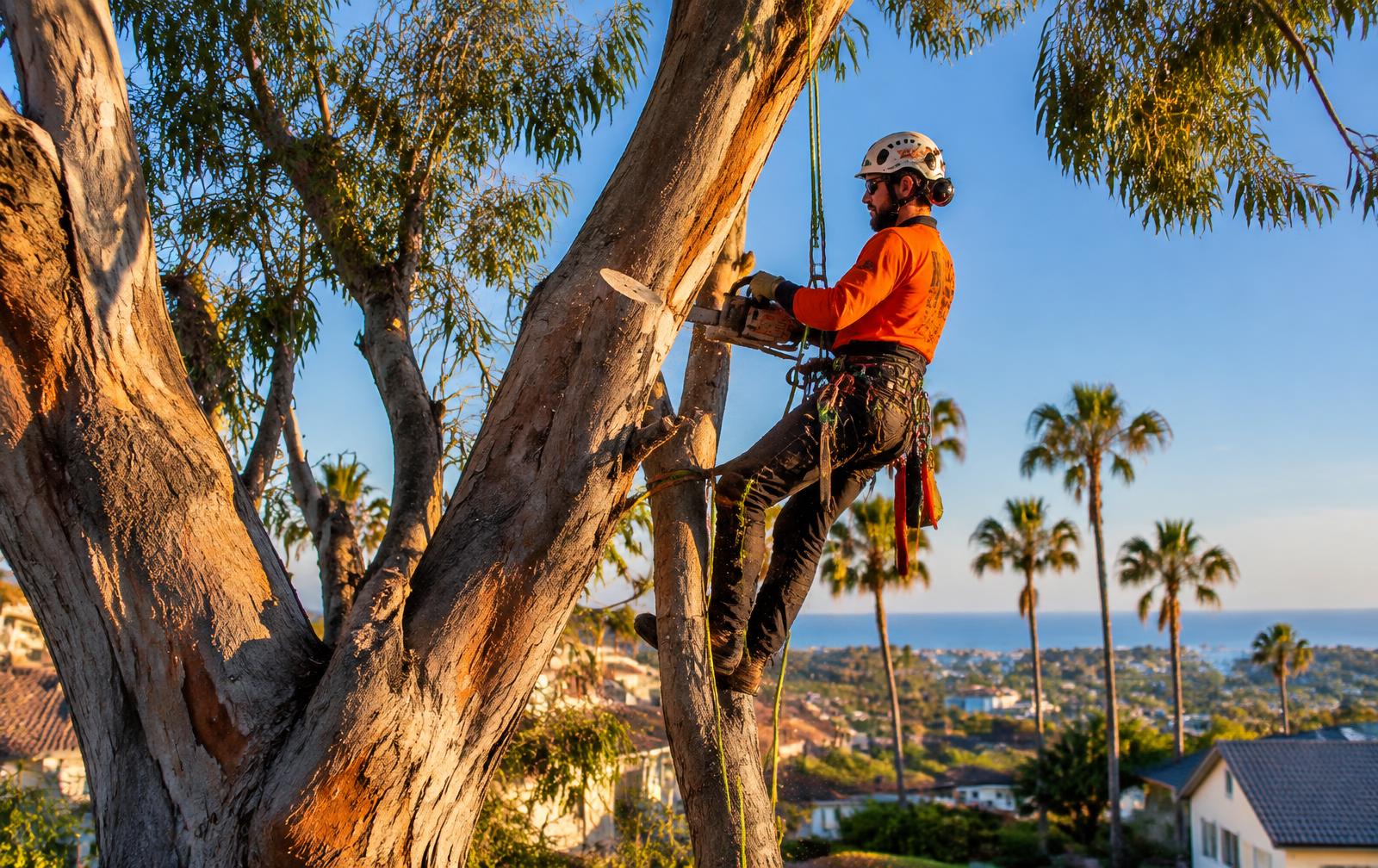
What tree trimming involves
Tree trimming commonly addresses the day-to-day relationship between a canopy and the space around it. A local professional may remove selected dead branches, lift limited low growth, or shorten specific limbs that interfere with buildings and access. The work should begin with a clear objective, because opening a walkway requires a different approach from managing branches over a roof.
Trimming should not mean cutting every tree into the same outline. Species, branch arrangement, age, and previous cuts influence how much work is appropriate. Ask the provider to explain which branches will be removed and what foliage will remain. Avoid requests for topping or indiscriminate thinning; these approaches can create new structural problems rather than delivering dependable, long-term clearance.
When canopy maintenance is useful
Branches brushing gutters, hanging over parking spaces, or blocking pedestrian routes are common reasons to request trimming. Dead twigs and broken limbs may also become more noticeable during routine yard care. Describe the specific interference and show the provider where people walk or vehicles park, so the proposed cuts solve the actual problem rather than merely changing the tree’s appearance.
A crowded canopy is not automatically a reason for heavy thinning. Interior foliage helps support the tree, and removing too much can expose branches to intense sun. If repeated trimming is necessary to keep a large tree in a small space, discuss whether a different long-term plan would better balance shade, building clearance, and the health of the existing landscape.
How to plan a trimming visit
We connect you with local tree pros who can review your maintenance priorities and assess the canopy. Walk the property with the provider when possible, pointing out roof contact, irrigation equipment, outdoor furniture, and sensitive planting areas. Request a description of the intended cuts rather than a vague promise to clean up the tree, particularly when appearance is important.
Agree on what should remain untouched as well as what should change. If neighbors share the canopy, clarify access and boundaries before scheduling. Ask for evidence of applicable California CSLB licensing and insurance, and discuss whether an ISA-certified arborist should assess any structural concerns. A written scope should explain debris removal and how unexpected defects discovered during work will be handled.
- Identify clearance needs and branches of concern from the ground.
- Review species, tree condition, and the proposed extent of trimming.
- Confirm site access, protection measures, and debris handling.
- Check the completed clearance against the agreed objectives.
Factors behind a trimming estimate
Canopy size, branch diameter, and the number of trees affect the amount of work, but access often determines how efficiently it can be completed. A tree over an open lawn differs from one above a tile roof or courtyard. Equipment positioning, controlled lowering of branches, and protection for parked vehicles or fragile landscaping can all influence the proposed scope.
Frequency of past maintenance matters too: correcting years of neglected growth may involve different work from a modest clearance visit. Disposal arrangements, travel through narrow side yards, and the need for a specialist assessment can also affect an estimate. Compare proposals by the stated trimming objective and branches involved, not simply by the amount of foliage a provider offers to remove.
Trimming for Santa Ana landscapes
Jacarandas, ficus, and sycamores bring different growth habits to Santa Ana yards. A spreading ficus near a roof should not be treated like a jacaranda being maintained for structure and seasonal appearance. The region’s dry summers also make unnecessary foliage removal and sudden bark exposure worth discussing, particularly for trees already affected by limited irrigation or reflected heat from paving.
Before Santa Ana wind events, focus discussion on observable defects and appropriate maintenance rather than promises to make a tree windproof. Never attempt clearance near overhead utility lines yourself; contact the utility for guidance. If branches belong to a city parkway tree or ownership is uncertain, rules can apply, and the City of Santa Ana should be consulted before work proceeds.
Tree Trimming FAQs
How is trimming different from pruning?
The terms overlap. Trimming often describes clearance and appearance work; pruning emphasizes selected cuts for structure or tree health. Ask what cuts are proposed rather than relying on the label.
Should a tree be topped to keep it shorter?
Topping can create weak regrowth and large wounds. Ask a qualified professional about selective reduction or whether the species fits the available space.
How often should trees be trimmed?
It depends on species, growth rate, condition, and nearby obstacles. A site-specific maintenance plan is more useful than a universal schedule.
Can trimming stop leaves falling into my pool?
Selected cuts may reduce overhang, but trimming cannot eliminate seasonal leaf drop. Excessive canopy removal is not a reliable solution.
Who handles branches near power lines?
Contact the utility for guidance. Do not touch branches, tools, or equipment that could contact energized lines.